
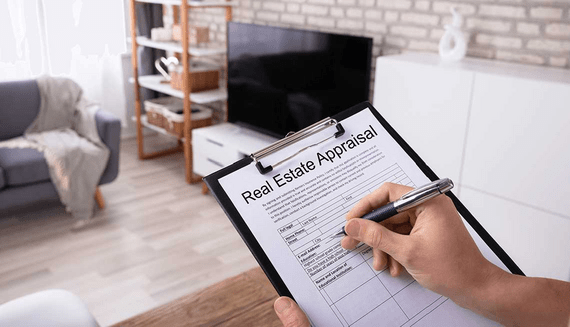
Home value factors should be reviewed together, using the details of the property and relevant market evidence. For a home in Astoria or Queens, a broad neighborhood average or an online asking price is only a starting point. Property type, condition, layout, completed sales and the context of the proposed sale all deserve attention.
The aim is an informed pricing conversation, not a guaranteed number. Gather what you know about the home and identify what still needs checking. The questions below can help you prepare for a discussion with Aida Home Realty and the appropriate professionals.
Home Value Factors: Start With Comparable Properties
Before comparing prices, ask whether the properties are meaningfully similar. An apartment, a multifamily building and a mixed-use property are not interchangeable. Even within one category, the space included and the details of the transaction can differ.
Separate asking prices from completed sales. An advertised figure records what is being requested; it does not establish what a buyer ultimately paid. The NYC Department of Finance rolling sales files provide recorded-sales information with property attributes and defined coverage periods. Use the dates and categories carefully rather than treating every Queens transaction as a direct comparison.
1. The Property Type and Space Included
Prepare a clear description of what is being considered. Is the offering a whole building or an individual unit? Which rooms, floors and outside areas are included? Request measurements or plans where the information is uncertain.
A headline bedroom count cannot explain an entire property. For a multifamily or mixed-use building, ask which records describe its spaces and current arrangements. For a condo or co-op, include the relevant building information in the review. Avoid assuming that two similar-looking listings represent the same ownership or obligations.
2. Condition and Documented Improvements
Gather details of work completed, including dates and the documents available. Distinguish a cosmetic change from other work, and note any repairs or questions still outstanding. The amount spent on an improvement should not automatically be treated as the amount it adds to a sale price.
Ask which aspects need professional evaluation. A viewing can show the layout and visible condition, while technical matters may require further review. The Department of Buildings guide to building data explains available research tools. Record dates and status need context; they do not certify the present condition of a home.
3. The Exact Location and Layout
An Astoria or Queens label is too broad to describe every property’s setting. Identify the exact address, access and physical layout. Describe factual features rather than assuming that one location or room arrangement has the same appeal to every buyer.
Use photographs and floor plans to explain what the home actually offers. Clear information helps a buyer compare it with their needs and ask relevant questions. Avoid adding unsupported commute times, area rankings or predictions about future development to justify a price.
4. Current Listing and Transaction Context
Review the relevant available properties and completed transactions, with their dates. Ask what makes them useful comparisons and which differences need to be considered. Do not turn a broad comment about supply or buyer interest into a precise forecast for one home.
Clarify the seller’s timing and the proposed terms. A price discussion should account for the actual situation without promising a fixed selling period or outcome. If a transaction-dependent statement matters, it needs the appropriate confirmation.
5. The Purpose of the Valuation
A listing discussion and an appraisal serve different purposes. The CFPB describes an appraisal as an independent assessment of property value and explains its possible role in a loan. Ask which kind of assessment you need and who will provide it.
Keep estimates, asking prices and documented transaction figures clearly labeled. Home value factors support a reasoned comparison; they do not create a guarantee of a buyer’s offer or an eventual sale price.
Prepare for a Local Pricing Conversation
Collect the address, property type, layout, improvements and questions you want to discuss. You can request a home valuation, browse our listings and contact Aida Home Realty to talk about selling in Astoria or Queens. Share the available records so the conversation begins with the individual home.


